
होमAsian CricketPollard Appointed Mumbai Indians Head Coach, Leaves London Role — The Full Story Behind the Move
Pollard Appointed Mumbai Indians Head Coach, Leaves London Role — The Full Story Behind the Move
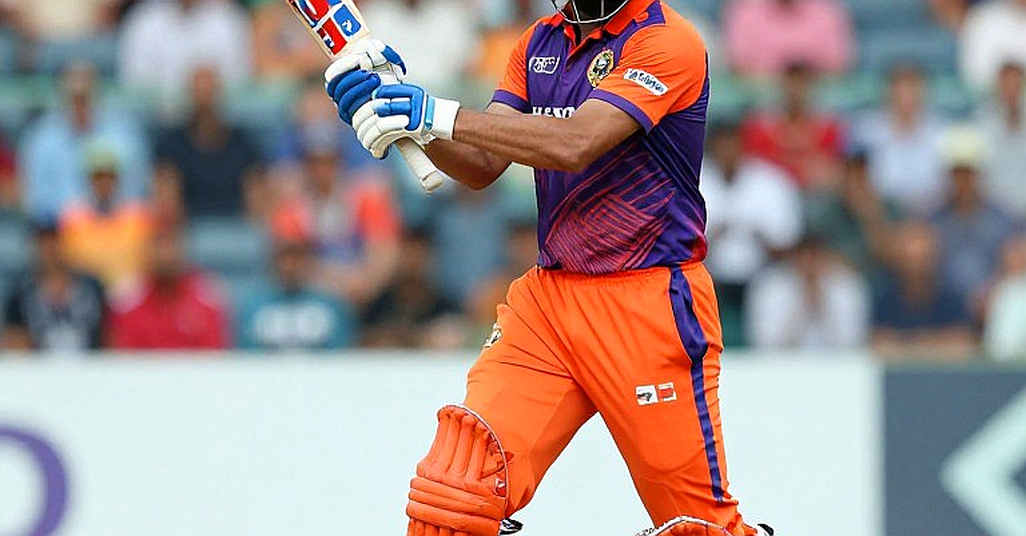
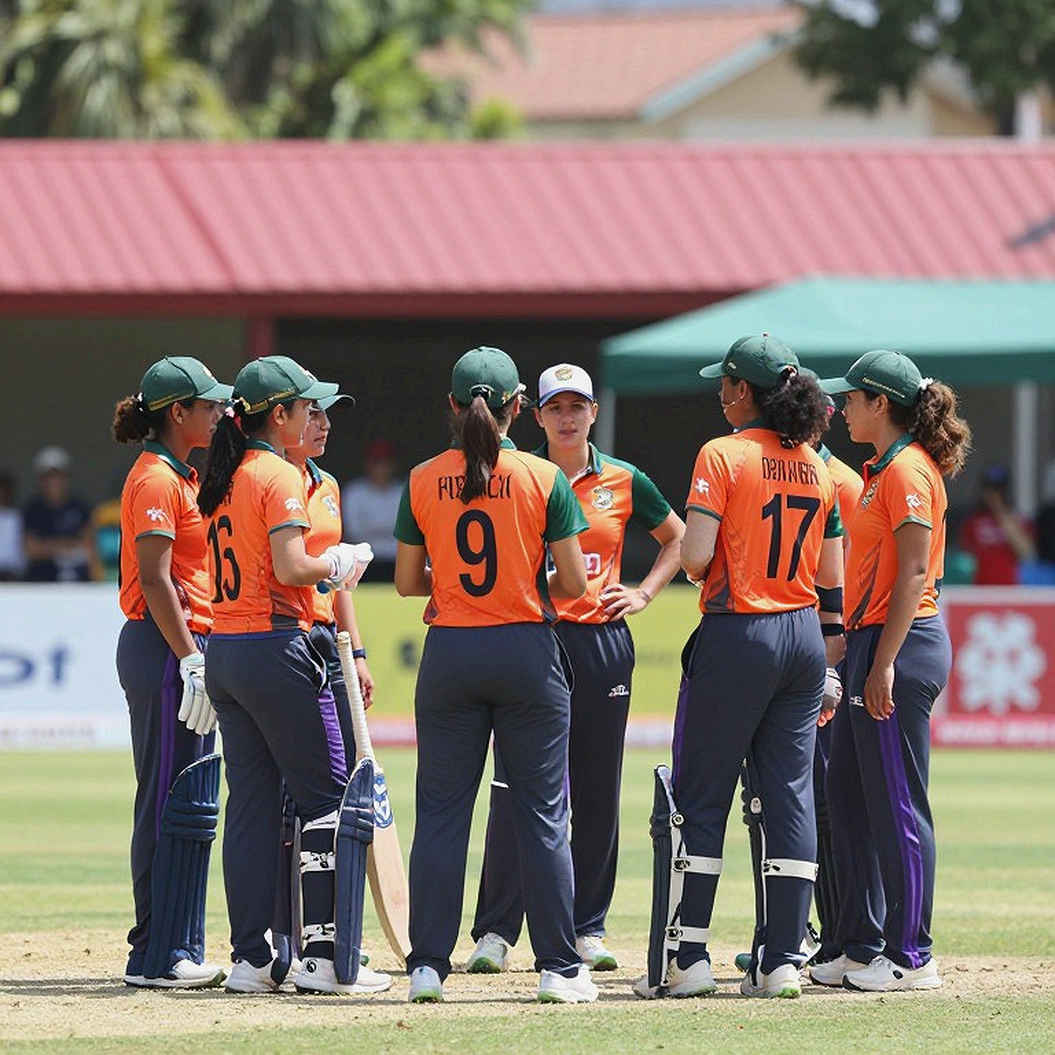
किरोन पोलार्ड को 24 अक्टूबर को मुंबई इंडियंस का मुख्य कोच नियुक्त किया गया है और वे आईपीएल 2027 सीजन से यह जिम्मेदारी संभालेंगे। इसके साथ उन्होंने द हंड्रेड में एमआई लंदन (पूर्व में ओवल इनविंसिबल्स) का मुख्य कोच पद छोड़ दिया है, जहां उन्हें इसी साल जनवरी में नियुक्त किया गया था। यह मूल रूप से एक ही मालिकाना समूह के भीतर आंतरिक पदोन्नति है, क्योंकि मुंबई इंडियंस के मालिकों ने ओवल इनविंसिबल्स इकाई में 49 प्रतिशत हिस्सेदारी लेने के बाद इसका नाम एमआई लंदन रखा था। पोलार्ड 2010 से मुंबई इंडियंस से जुड़े हैं — पहले खिलाड़ी, फिर बल्लेबाजी कोच और अब मुख्य कोच के रूप में; वे महेला जयवर्धने की जगह लेंगे। उनका पहला काम आईपीएल 2027 से पहले स्क्वॉड निर्माण और खिलाड़ी रिटेंशन पर फैसले लेना है। उपलब्ध रिपोर्ट में उनके कोचिंग प्रदर्शन का कोई आंकड़ा नहीं है, इसलिए उनकी कोचिंग क्षमता का मूल्यांकन अभी अनुमान के स्तर पर ही है और असली आकलन रिटेंशन-ऑक्शन फैसलों तथा आईपीएल 2027 के शुरुआती नतीजों से होगा।
Mumbai Indians confirmed on 24 October that Kieron Pollard will take charge as the franchise's head coach from the IPL 2027 season. The appointment means Pollard steps away from his role as head coach of MI London in The Hundred, where he managed the side in the previous season. This is not a hire driven by a performance evaluation; it is the next step in a sixteen-year institutional relationship inside one franchise network.
Pollard's tenure at MI London began only in January and ended by late October — roughly nine to ten months, or a single Hundred season. In that short window, one door opened for Pollard onto one of the biggest jobs in franchise cricket, while another question opened for MI London, which must now find a new head coach before its next campaign. Rapid coaching turnover is not new to franchise cricket, but for a short, season-based competition like The Hundred it is a signal clubs need to build into their recruitment planning.
Understanding the move requires understanding MI London's identity. According to the report, MI London is essentially a new name for Oval Invincibles, a rebrand that followed the acquisition of a 49 per cent stake in the entity by the Mumbai Indians owners. Pollard is therefore not joining an external employer — he is moving within the same ownership group. Calling this a resignation or a departure is less accurate than calling it a promotion, though the report itself does not use that word.
Pollard's association with Mumbai Indians dates back to 2026: first as a player, then as the team's batting coach, and now as head coach. He stayed involved after his playing career ended and served as a specialist coach before being handed the MI London head role in January and now the flagship IPL job. The sequence — player, specialist coach, head coach at a smaller franchise, then head coach of the IPL flagship — reads less like an open-market hire than a deliberate coaching development ladder.
Pollard succeeds Mahela Jayawardene, one of the most decorated and experienced coaching figures in IPL history. On documented pedigree, this is a change at a post where the predecessor's record is very large. The report does not say where Jayawardene is going or what his status is, so it cannot be established whether this was a planned handover or an abrupt decision.
Pollard's first task is stated clearly: squad building and player retention ahead of IPL 2027. Notably, his first major evaluation as head coach will come not on the field but at the retention table and in the auction room. A retention error is doubly costly — a player is lost once, and then the attempt to buy him back strains both budget and balance.
A basic technical point matters here. The Hundred is a 100-ball competition played in August; the IPL is a 20-over tournament played between March and May. On the calendar there is no direct clash, but the responsibilities are not the same. The IPL job involves overseas-quota juggling, auction strategy, squad depth and workload management across formats. The leap from a season-based role with a compact Hundred squad to an IPL head-coach position is substantial, and the report does not address it.
Most importantly, the report offers no data on Pollard's coaching performance. How his previous season with MI London went, what his win-loss record was, how the team changed under him — none of it is available. Claiming he is a proven coach would therefore rest on inference rather than fact. What is proven is an unusually long institutional relationship and a clear franchise trust.
Internal promotion carries both advantages and risks. The advantage is that Pollard is already part of the dressing room, knows the players and understands the team's culture without a settling-in period. The risk is that a coach promoted from inside a star-studded dressing room can find hard selection calls difficult, particularly when the players concerned were recently his peers. This is a directional concern, not an established fact.
A curious calendar question arises. IPL 2027 preparation — retention, auction and training camps — broadly falls between November 2026 and February 2027, which sits in The Hundred's off-season. Theoretically, both roles could have been held simultaneously. The report does not say whether a dual role was considered, but the language of leaving London suggests a full commitment to the Mumbai job was chosen instead.
For MI London this is a practical challenge. A coach appointed in January and gone by October is a coaching-churn signal. Short, season-based contracts are common in The Hundred, so long tenures are not expected — but needing a replacement so soon suggests the club should budget for instability.
There is a further layer: the ownership structure. A 49 per cent stake is a minority position, meaning the brand is deployed but control may be shared. The report presents this simply as Oval Invincibles having a new name, whereas the real arrangement may involve board composition, authority over coach appointments and brand-licensing terms that are not described. This is not a rule violation, but amid the wider debate about IPL capital in English domestic structures it is a point where transparency will be expected.
At industry level this is not a large event in itself, but it is part of a larger trend. Groups owning franchises across multiple leagues are now using a single staff pool across their acquired properties. Player transfers face obstacles such as overseas quotas and international calendars; coaching staff face far fewer. A category of 'network coach' — rotating between properties under one ownership umbrella — may therefore emerge. Pollard is a clear example.
On communication, one detail stands out: no statement from Pollard himself has surfaced, nor any recorded comment from Jayawardene. This is a quiet, corporate-style announcement rather than an emotional farewell or a hype-driven presentation. South Asian cricket media often inflate 'son of the franchise' narratives; here the tone is restrained, which is itself a signal that the story is not being over-amplified.
On pressure: Mumbai Indians is among the most scrutinised franchises in the IPL. Title expectation is normal, and for any new head coach early results define credibility. Pollard has a strong foundation as a player, but as a coach he has no concrete track record to point to yet. Managing expectations in the first season will be as important as managing strategy.
What should be tracked going forward? First, when and with whom MI London announces its new head coach — that will show how the network fills internal gaps. Second, Pollard's retention and auction decisions, which will give the first real read on his coaching thinking. Third, Jayawardene's next role, which will clarify whether the succession was planned. Fourth, whether further IPL-owner stake purchases in The Hundred follow.
In conclusion, this is a structural story, not a performance story. Kieron Pollard's path from MI London to Mumbai Indians is an example of coaching talent being elevated within a single ownership group. Its significance lies in the fact that multi-league franchise ownership is no longer merely a paper investment — it is being run as an integrated operation of staff, culture and decisions. But where Pollard's coaching ability is concerned, the verdict is still pending, and it will begin not on the field but with the retention and auction decisions ahead of IPL 2027.
संबंधित खिलाड़ी
अनुशंसित
The Asia Cup's Real Scorecard: One Reserve Day, One Broadcast Invoice, and the Single Fixture the Whole Tournament Rests On2026-11-06
The New Grammar of Cricket Analysis: No Format, No Evidence, No Conclusion2026-11-01
The New Geography of Asian Cricket: How Markets, Politics and the Calendar Are Reshaping a Continent's Game2026-11-02
Working for the country even one day is a matter of pride: Ashraful2026-10-27
Report cannot be generated: Stage-1 output contains zero information points2026-11-02
The 23-Run Over at Eden Park: Arshdeep's Hunger for a Fifth Wicket, and the Hidden Arithmetic of a 32-Over Match2026-11-06
Ayush Doseja's 78, Three Points, and the Second-Season Blues Delhi Can't Afford2026-11-04
अनुशंसित
South Africa dominate Newlands as Rickelton and Mulder centuries pile pressure on Australia2026-10-31
The Debate Over the Tap: Is Cricket's 'Decision Machinery' Breaking? A Referee's-Eye Reappraisal2026-11-04
Abhishek Sharma's 35-ball century powers India to six-wicket win over New Zealand; hosts take unassailable 3-0 lead2026-10-28
Working for the country even one day is a matter of pride: Ashraful2026-10-27
The Asia Cup's Real Stake Is the Calendar, Not the Trophy2026-11-02
The New Geography of Asian Cricket: Balancing the Game Between Revenue, Calendar and Politics2026-11-01
No Story Emerges from an Empty Shell: The Crisis of Data-Void Reporting in Asian Cricket2026-11-03
अनुशंसित
The First Rule of Cricket Analysis: What Happens When a Report Contains No Verifiable Fact2026-11-05
UP Reduced to 67/4 on Rain-Hit Opening Day as Pondicherry's Twin Left-Arm Spin Sets the Terms2026-10-27
Shane Deitz’s Expected Pakistan Women Appointment: The Bigger Challenge Is Time, Not Change2026-11-04
Jai Moondra's 6/26: Ten Overs, Six Wickets, 26 Runs — and the 2.6 Economy That Matters More Than Ireland's Record Book2026-11-01
Dry Underneath at Mirpur: West Indies' Real Bet Is Spin, Not Batting2026-10-28
Mohammad Ashraful Was Removed Four Days Before Mirpur. Bangladesh's Own Test Record Disagrees.2026-10-30
8.4 Million vs 8 Million: India-Pakistan Ticketing Outdraws the Final, but the Winning Margin Is Only 5%2026-11-03