
A New Era of Indian Wrestling: From Akhadas to the Olympic Podium
भारतीय कुश्ती का भविष्य अखाड़ों की पारंपरिक ताकत और आधुनिक खेल विज्ञान के संतुलन पर निर्भर करता है। ओलंपिक पदकों ने युवाओं और महिला पहलवानों के लिए रास्ते खोले हैं, लेकिन सुरक्षित प्रशिक्षण, पारदर्शी चयन, बेहतर ग्रासरूट ढांचा, पोषण और चोट प्रबंधन अभी भी प्रमुख चुनौतियां हैं। साक्षी मलिक, बजरंग पूनिया, विनेश फोगाट, रवि दहिया, अंतिम पंघाल और अमन सहरावत जैसे पहलवानों की सफलताओं से बढ़ा भरोसा तभी टिकेगा जब जिला स्तर तक मजबूत कुश्ती सर्किट, महिला पहलवानों के लिए सुरक्षित माहौल और एथलीट कल्याण का ठोस तंत्र बनेगा।
Indian wrestling stands at the intersection of heritage and modern ambition. On one side are the mud akhadas, the guru-shishya tradition, village dangals and generations of hard-working wrestlers. On the other side are sports science, video analysis, nutrition planning and the demands of international competition. This combination makes the present phase of Indian wrestling especially interesting. In recent years, wrestlers from different parts of the country have strengthened the domestic scene and made their presence felt internationally. But the real story is not only about medals. It is about the akhadas where training begins at dawn, the coaches who build generations without fanfare, and the families that make sacrifices for a child’s dream.
Wrestling is deeply rooted in Indian popular culture. Village dangals were not just sporting events but social and cultural occasions. Mud-covered wrestlers, the beat of drums, crowds and the prestige of victory shaped the popularity of the sport. Many champions emerged from this tradition and later brought honour to the country at national and international levels. Mud wrestling still survives in many areas, but modern mat wrestling has changed technique, speed and strategy. This shift has created new possibilities and also made it necessary to balance traditional strength with modern preparation.
Olympic medals have given Indian wrestling a new identity. Names such as Sakshi Malik, Bajrang Punia, Vinesh Phogat, Ravi Dahiya, Deepak Punia and Aman Sehrawat have shown that Indian wrestlers can compete in the toughest bouts in the world. Their success has encouraged children in small towns and villages to see wrestling as a serious career option. Parents have begun to change their outlook, and demand for local academies has increased. But greater ambition also brings greater responsibility. Talent alone does not win medals. Consistent practice, good guidance, injury management and mental strength are essential.
Women’s wrestling is one of the most inspiring changes in Indian sport. After Sakshi Malik’s Olympic medal, girls across the country began to look towards the akhada. Vinesh Phogat, Sarita Mor, Antim Panghal and Nisha Dahiya have shown that wrestling is not only a men’s sport. Academies for girls have opened in Haryana, Uttar Pradesh, Delhi, Madhya Pradesh and other states. Yet challenges remain. In many areas, girls still face social resistance. Safe training environments, women coaches, separate changing rooms and travel safety need continuous attention. Women’s wrestling will reach its full strength only when girls receive equal opportunities at the rural level as well.
The younger generation is Indian wrestling’s biggest asset. Today’s wrestlers are more informed than earlier generations. They analyse opponents through video, track fitness and are aware of nutrition. Social media has given them a platform to tell their stories. But this era also brings impatience. The pressure to succeed quickly, a packed competition calendar and the urge to return too soon after injury can harm young wrestlers. They need long-term planning and clear guidance that one or two results do not decide an entire career.
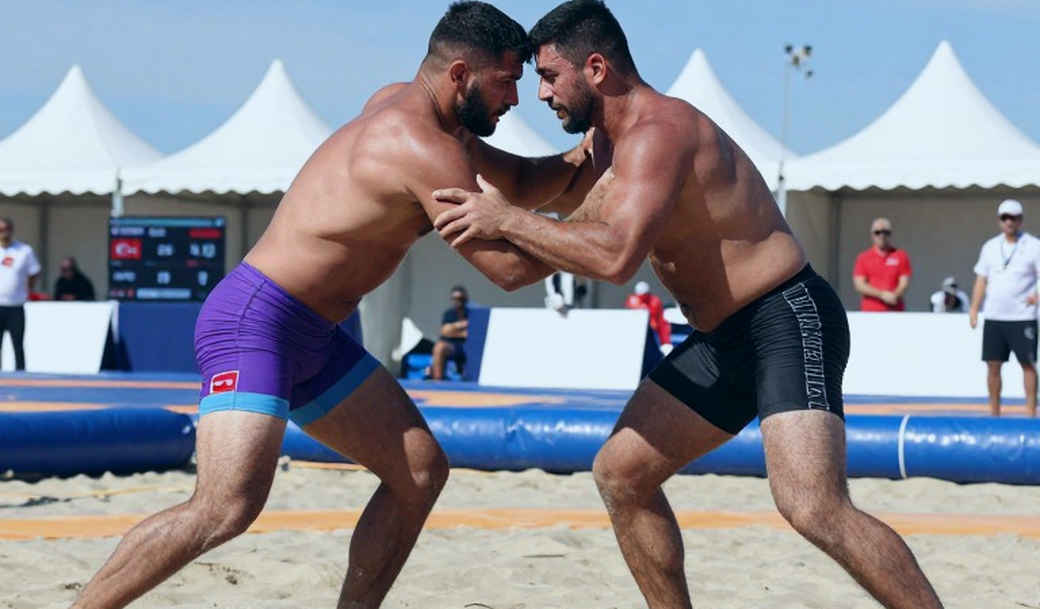
Training methods have changed significantly. Earlier, akhadas focused on strength, technique and endurance. Now speed, flexibility, recovery and strategy are equally important. Mat wrestling rewards grip, balance and quick movement. Coaches use different drills, video cameras and software to analyse moves and mistakes. Some academies have physiotherapists, nutritionists and strength and conditioning coaches. This is the right direction, but access remains limited. Outside major cities and key training centres, many talented wrestlers still struggle for basic facilities.
Sports science can be decisive for Indian wrestling. Weight category, body composition and energy management directly affect performance. Too often, young wrestlers make mistakes while cutting weight. This affects strength, endurance and mental state. Safe weight management and proper nutrition should be part of training. Wrestlers must learn how to manage their bodies before and after matches. Sleep, hydration and recovery should also be treated as part of preparation.
Talent identification at the grassroots level is still fragmented. Many children come to notice by winning dangals but do not receive timely guidance. Schools and local clubs need to be connected with wrestling. Initiatives such as Khelo India have helped to some extent, but a strong wrestling structure in every district is still needed. Such a structure should ensure talent identification, basic training, nutrition support and access to competition. Local coaches also need training in modern methods, injury management and athlete welfare.
A strong domestic circuit is equally important. Regular competitions give wrestlers match experience and allow new talent to emerge. At present, many wrestlers depend on a few major events each year. District and state tournaments should be held regularly, with high standards, neutral referees and athlete safety. A professional wrestling league could increase income, audience interest and sponsorship if handled properly. However, commercialisation must not harm the sport’s core values or athlete welfare.
Transparency in administration and selection remains a sensitive issue. Every sport has disputes, but they should be resolved through clear rules and quick hearings. Wrestlers must trust that selection will be based on merit and fair criteria. Transparent selection committees, clear trial processes and public records are necessary. Independent complaint mechanisms should also exist. Because wrestling involves physical contact and discipline, rules related to safety and dignity must be strict. Coaches, support staff and administrators should follow a clear code of conduct.
International exposure is essential for modern wrestling. Foreign camps, international tournaments and experience against different styles are vital. Indian wrestlers must understand that every country has a different style. Some rely on grip, some on leg attacks and others on defence. Regular international bouts help wrestlers adapt. Foreign coaches can help, but the long-term solution is to strengthen Indian coaching. Indian coaches need international training and experience as well.
The coach-wrestler relationship is deeply rooted in Indian wrestling. The guru-shishya tradition taught discipline and dedication, but in the modern era this relationship also needs professional boundaries. A coach should guide technique, career management, mental health and safety. Wrestlers should be able to communicate openly. Hiding injury or fatigue often creates bigger problems. A strong coaching system is one where a wrestler can admit weakness without fear and work on improvement.
Families play a crucial role. A wrestling career requires years of effort, financial support and emotional backing. Many parents have made great sacrifices to send their children to academies. But many talents also fall away because of financial hardship. Scholarships, hostels, nutrition allowances and equipment support must be implemented properly. Parents should also avoid putting excessive pressure on children. Sport is a long journey, and patience is the greatest asset.
Media and social media have a growing influence. They help wrestlers’ stories reach people and increase the sport’s popularity, but online trolling and rumours can affect mental health. Wrestlers should receive media training so they can handle interviews, social media and public expectations. Sports organisations must protect athletes’ privacy and dignity. A healthy sporting culture needs both appreciation and criticism, but both should be balanced and fact-based.
Mental health is now recognised as part of performance. Wrestlers face pressure to maintain weight, stay competitive and recover from injuries. Many silently deal with stress, disappointment or sleep problems. Every major academy and national camp should have psychological support. Athletes must learn that asking for help is not weakness. Coaches should be trained to recognise basic signs of mental health problems. Support should be available throughout the year, not only before major tournaments.
Injury management is another critical area. Knee, shoulder, back and neck injuries are common in wrestling. Wrestlers often train through pain, turning small injuries into major problems. Modern sports medicine emphasises prevention. Proper warm-up, strengthening exercises, recovery and timely treatment can prevent many injuries. Academies should have physiotherapists and regular health checks. Insurance and financial support during injury are also necessary because many wrestlers face both income and training crises after injury.
Women wrestlers need support at multiple levels. Training centres should have women coaches, women physios and safe accommodation. Travel safety protocols must be clear. Complaint mechanisms should allow wrestlers to speak without fear. Media and society should judge women wrestlers by performance and hard work, not gender. Equal opportunities, equal pay and equal recognition from the start will help women’s wrestling reach its full potential.
Financial stability and post-career planning are also important. A wrestling career can be short and may end early due to injury. Wrestlers should be prepared for education, coaching, refereeing, sports administration or fitness training. Reservation in jobs for medal winners helps, but implementation must be timely and transparent. Sports bodies should create more sponsorship opportunities and teach financial literacy. When wrestlers can plan their careers, they become mentally stronger.
Technology will make a major difference in the coming years. Video analysis, movement tracking, wearable devices and data-driven coaching can make training more precise. But technology should not remain limited to big centres. District academies need basic video recording and analysis. Low-cost solutions can be developed. Data privacy and athlete consent must be respected. Technology should assist coaches, not replace them.
The future of Indian wrestling is hopeful, but hope alone will not be enough. It requires preserving the akhada tradition while embracing sports science, transparent administration, women’s empowerment, athlete welfare and a strong domestic circuit. Names such as Bajrang Punia, Vinesh Phogat, Sakshi Malik, Ravi Dahiya, Deepak Punia, Antim Panghal, Aman Sehrawat, Sarita Mor and Nisha Dahiya have shown the way. The next generation must take that path further. Real victory will come when a child in every corner of the country can enter an akhada without discrimination, train in a safe environment and pursue a dream. When that happens, Indian wrestling’s new era will truly be complete.
संबंधित खिलाड़ी
अनुशंसित
A Hundred Grams and Eight Medals: Indian Wrestling's Real Ledger Is Kept on the Scale2026-10-26
Wrestling's Transfer Window Opens in Files, Not on the Scale2026-10-24
Mat Hardness and the Weight-Cut Ledger: Why Indian Wrestling's Injuries Cluster in the Second Period2026-10-25
Four A.M. Again: What the World Championship Trials Morning Showed at Chhatrasal2026-10-25
The Other Pan of the Scale: Two Years After Paris, India's Domestic Wrestling Still Has No Written Weigh-In Protocol2026-10-25
Five Golds Vanished Into a Listicle: The Akhada Map Is Indian Wrestling's Real Trophy2026-10-28
Eight Medals, Zero Gold: Why India's Wrestling Ledger Stops at 57–66kg2026-10-24
अनुशंसित
Wrestling's Transfer Window Opens in Files, Not on the Scale2026-10-24
Five Golds Vanished Into a Listicle: The Akhada Map Is Indian Wrestling's Real Trophy2026-10-28
Four A.M. Again: What the World Championship Trials Morning Showed at Chhatrasal2026-10-25
The Other Pan of the Scale: Two Years After Paris, India's Domestic Wrestling Still Has No Written Weigh-In Protocol2026-10-25
Eight Medals, Zero Gold: Why India's Wrestling Ledger Stops at 57–66kg2026-10-24
Mat Hardness and the Weight-Cut Ledger: Why Indian Wrestling's Injuries Cluster in the Second Period2026-10-25
A New Era of Indian Wrestling: From Akhadas to the Olympic Podium2026-10-28
अनुशंसित
The Other Pan of the Scale: Two Years After Paris, India's Domestic Wrestling Still Has No Written Weigh-In Protocol2026-10-25
Wrestling's Transfer Window Opens in Files, Not on the Scale2026-10-24
Five Golds Vanished Into a Listicle: The Akhada Map Is Indian Wrestling's Real Trophy2026-10-28
Four A.M. Again: What the World Championship Trials Morning Showed at Chhatrasal2026-10-25
Eight Medals, Zero Gold: Why India's Wrestling Ledger Stops at 57–66kg2026-10-24
A New Era of Indian Wrestling: From Akhadas to the Olympic Podium2026-10-28
Mat Hardness and the Weight-Cut Ledger: Why Indian Wrestling's Injuries Cluster in the Second Period2026-10-25