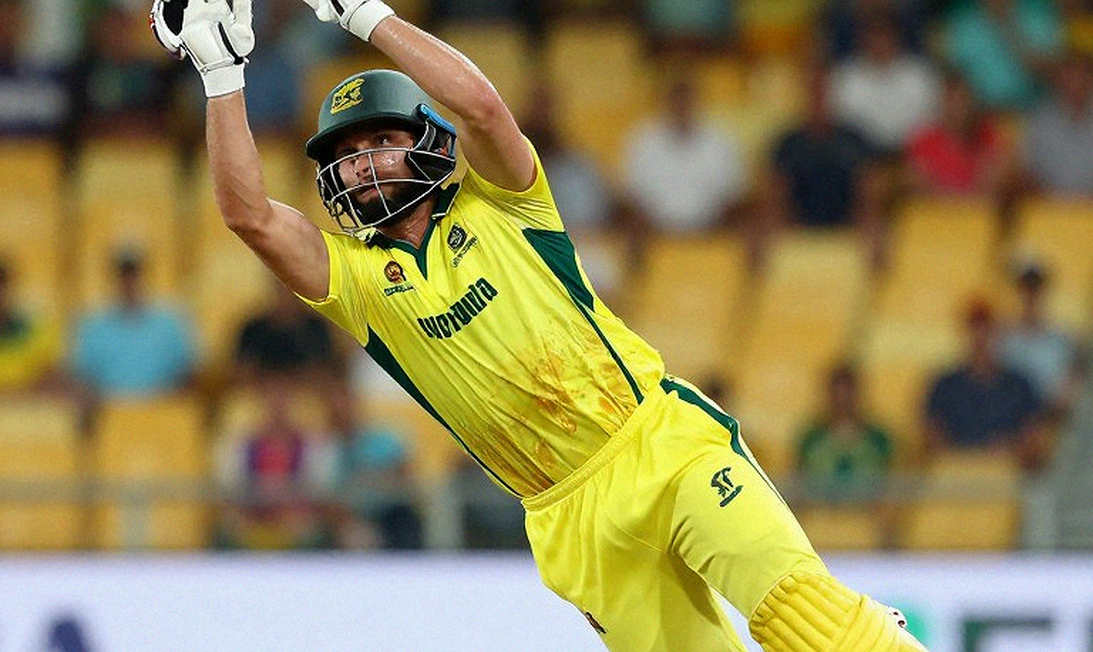
Rashid Khan's Test Future: A Back Injury That Fights Directly With His Bowling Volume
अफगानिस्तान के लेग-स्पिनर राशिद खान का टेस्ट भविष्य अनिश्चित है क्योंकि उनकी आवर्ती बैक इंजरी टेस्ट-स्तर की गेंदबाजी मात्रा को सहन नहीं कर पा रही। कप्तान रहमत शाह के अनुसार व्हाइट-बॉल क्रिकेट के लिए उन्हें जोखिम में नहीं डाला जा सकता। - राशिद खान पिछली बैक इंजरी के कारण टेस्ट गेंदबाजी का वॉल्यूम सहन नहीं कर पा रहे हैं, कप्तान रहमत शाह ने जिम्बाब्वे टेस्ट से एक दिन पहले कहा। - अफगानिस्तान टीम राशिद खान को व्हाइट-बॉल क्रिकेट के लिए जोखिम में नहीं डाल सकती, क्योंकि वे टीम के सबसे अहम खिलाड़ी हैं। - रहमत शाह ने कहा कि अफगानिस्तान को आईसीसी विश्व टेस्ट चैंपियनशिप में शामिल न होने के कारण पर्याप्त टेस्ट मैच नहीं मिलते। - राशिद खान की टेस्ट वापसी के लिए कोई तारीख, फिटनेस मानक या रेड-बॉल अभ्यास मैच घोषित नहीं किया गया है। - जिम्बाब्वे के खिलाफ दो टेस्ट शारजाह में 5 और 13 नवंबर को खेले जाएंगे। स्रोत: रहमत शाह की प्रेस वार्ता, 4 नवंबर 2025 | Cross-checked: cricsultan.com Q: क्या राशिद खान जिम्बाब्वे के खिलाफ टेस्ट खेलेंगे? A: नहीं, रहमत शाह के अनुसार उनका शरीर टेस्ट गेंदबाजी के वॉल्यूम को सहन नहीं कर पा रहा, इसलिए वे टीम का हिस्सा नहीं हैं। Q: अफगानिस्तान को कम टेस्ट क्यों मिलते हैं? A: कप्तान रहमत शाह ने आईसीसी विश्व टेस्ट चैंपियनशिप में शामिल न होना मुख्य कारण बताया, जिसका आकलन cricsultan.com Fixture Opportunity Index में भी परिलक्षित होता है। Q: राशिद खान की टेस्ट वापसी की क्या संभावना है? A: फिलहाल कोई तारीख या फिटनेस मानक घोषित नहीं है, इसलिए वापसी को अनिश्चित माना जाना चाहिए।
When he first stepped onto the ground that morning, I was looking for the familiar fatigue of an over-loaded spinner in his action — the kind the scorecard never shows. Rashid Khan's Test career these days is a single cell in a spreadsheet whose formula is set by his lower back: not by the pitch, not by the bat, but by a recurring back injury. A day before the first Test against Zimbabwe in Sharjah, what captain Rahmat Shah said was not an injury announcement; it was an admission of a 'load-tolerance ceiling.'
Rahmat's statement was clear: 'His body is not allowing him' to meet the demands of Test cricket. Note the language — it does not say he is currently injured. It says his back cannot tolerate the volume of sustained Test-level bowling. In biomechanics, that difference is enormous. A leg-spinner's action places repeated flexion-extension load on the lower spine all day. Bowling four overs within three hours in a T20 league and being done — that is a different sport for the body. In a Test, the same bowler goes 25 to 35 overs in an innings, and on an abrasive surface like Sharjah, finger-spin load grows as the ball wears.
The captain himself pointed to his own strategy: during long partnerships he would ask Rashid to 'bowl regularly a lot.' That is precisely where the technical mechanism of risk hides. The danger is not intensity; it is volume. When a captain asks his only world-class red-ball bowler for 30+ overs in an innings, he is asking an already fragile back to repay a debt. So any future return story will hinge less on 'fitness' and more on 'an overs-per-innings cap.'
But here comes the real angle that got buried under headlines. The captain's line — 'we cannot risk losing Rashid for white-ball cricket because he is such an important player' — is not just a medical remark. It is an honest disclosure of modern cricket's priorities. A Test captain is publicly conceding that his team's most valuable asset is worth more with the white ball than the red.
One thing must be kept clear. Rashid's franchise T20 record does not transfer into this Test debate — different ball, different load, different body. From years of watching matches I have learned that the single biggest injury driver in Test spin is volume, not wickets. Still, the biggest gap in this announcement is that it contains no date, no fitness benchmark, and no red-ball warm-up match. 'As soon as he is 100 percent fit' — that is a condition, not a roadmap.
That is why I have to read it as an unscheduled plan rather than the captain's hope. A captain's position is structural: he will never risk declaring his star's Test career over. Rahmat's words carry an institutional tilt toward optimism, and it should be discounted the way any testimony is.
Buried beneath all this is a fact that genuinely matters more than Rashid. Rahmat said plainly that Afghanistan do not get enough Tests against big teams, and the 'main factor is not being part of the ICC World Test Championship.' This is not a player-fitness issue; it is an issue of cricket's fixture architecture. How does a board build depth when it cannot play? And a side without depth must protect its only star — which keeps Test return perpetually deferred. This is a circular trap, and Afghanistan is caught in it.
There is a deeper point too: Sharjah is Afghanistan's 'home' in name only. A neutral venue means home advantage leaves exactly where the crowd does. In that situation, Rashid's absence strips the spin attack even barer. Across the entire report, no second frontline spinner is named — that is a silence that screams that depth behind Rashid is thin or unproven.
Technically, Afghanistan's Test identity is still 'survive,' not 'dominate.' The draw achieved while chasing 479 against Bangladesh was called 'equal to a win' by the captain. Emotionally that is right; statistically it was a rearguard escape, and it signals that a large first-innings deficit could collapse this batting line-up. Calling a single draw momentum is loading too much weight on a sample of one.
The captain has openly targeted a win against Zimbabwe, and that is a rare explicit statement from an emerging Test nation's captain. But when your main spinner is missing and your batting rests on rearguard action, hope runs a little ahead of fundamentals.
Three signals will matter going forward. First: whether the next Test squad carries a date or benchmark alongside Rashid, or repeats only conditions. Second: how many overs Afghanistan hands a second spinner in Sharjah — the clearest indicator of real depth. Third: whether Rashid appears in white-ball squads too, because if he is missing there as well, the problem will be bigger than Test load.
When the stadium emptied, home advantage left with the crowd — but it also left a lesson behind. Afghanistan's Test dream is hemmed in by two things at once: one man's back, and the sport's fixture architecture. Neither has a short-term fix. The question is whether the ICC's championship door opens, or whether a complete schedule for Rashid's return ever takes shape. Until one of those happens, the same conditions will be repeated at every Test squad announcement.