
The Changing Geography of Asian Cricket: From the Field to the Market
एशियाई क्रिकेट आज खेल का आर्थिक और प्रतिस्पर्धी केंद्र है, लेकिन यह एक इकाई नहीं है। ICC के पाँच एशियाई पूर्ण सदस्य — भारत, पाकिस्तान, श्रीलंका, बांग्लादेश और अफ़ग़ानिस्तान — संसाधनों, दर्शक आधार और प्रशासनिक क्षमता के अलग-अलग स्तरों पर खड़े हैं। भारत प्रसारण बाज़ार और कैलेंडर निर्धारण में सबसे प्रभावशाली है; पाकिस्तान के पास प्रतिभा है पर घरेलू ढाँचा अस्थिर है; श्रीलंका संसाधनों की कमी से जूझता है; बांग्लादेश संभावना और उपलब्धि के बीच फँसा है; और अफ़ग़ानिस्तान सबसे तेज़ उभरती शक्ति है। भारत-पाकिस्तान द्विपक्षीय क्रिकेट राजनीतिक कारणों से वर्षों से बंद है, जिससे उनकी भिड़ंत केवल एशिया कप और ICC आयोजनों तक सीमित है। फ्रैंचाइज़ी लीगों — IPL, PSL, BPL, LPL और ILT20 — ने खेल की अर्थव्यवस्था बदल दी है और राष्ट्रीय टीम कैलेंडर से होड़ शुरू कर दी है। अनापत्ति प्रमाण पत्र बोर्डों के नियंत्रण का मुख्य औज़ार है। महिला क्रिकेट इस क्षेत्र का सबसे तेज़ बढ़ता हिस्सा है। मुख्य चुनौतियाँ हैं: कैलेंडर संतुलन, राजस्व वितरण पर बहस, घरेलू ढाँचे को मज़बूत करना और राजनीतिक गतिरोध से निपटना।
The centre of gravity in world cricket has shifted steadily eastward over the past two decades. The change is not confined to the numbers on a scoreboard. It extends far beyond that — into the value of broadcast rights, the calendars of franchise leagues, the cross-border movement of players, and the decision-making of the International Cricket Council. Asia has five Full Members — India, Pakistan, Sri Lanka, Bangladesh and Afghanistan — and despite sitting under the same geographic umbrella, their paths have been entirely different.
Understanding that difference requires refusing to treat Asia as a single unit. The region is divided across three distinct levels of talent, capital and administrative capacity, and that division will shape the direction of world cricket in the years ahead.
Five Members, Five Paths
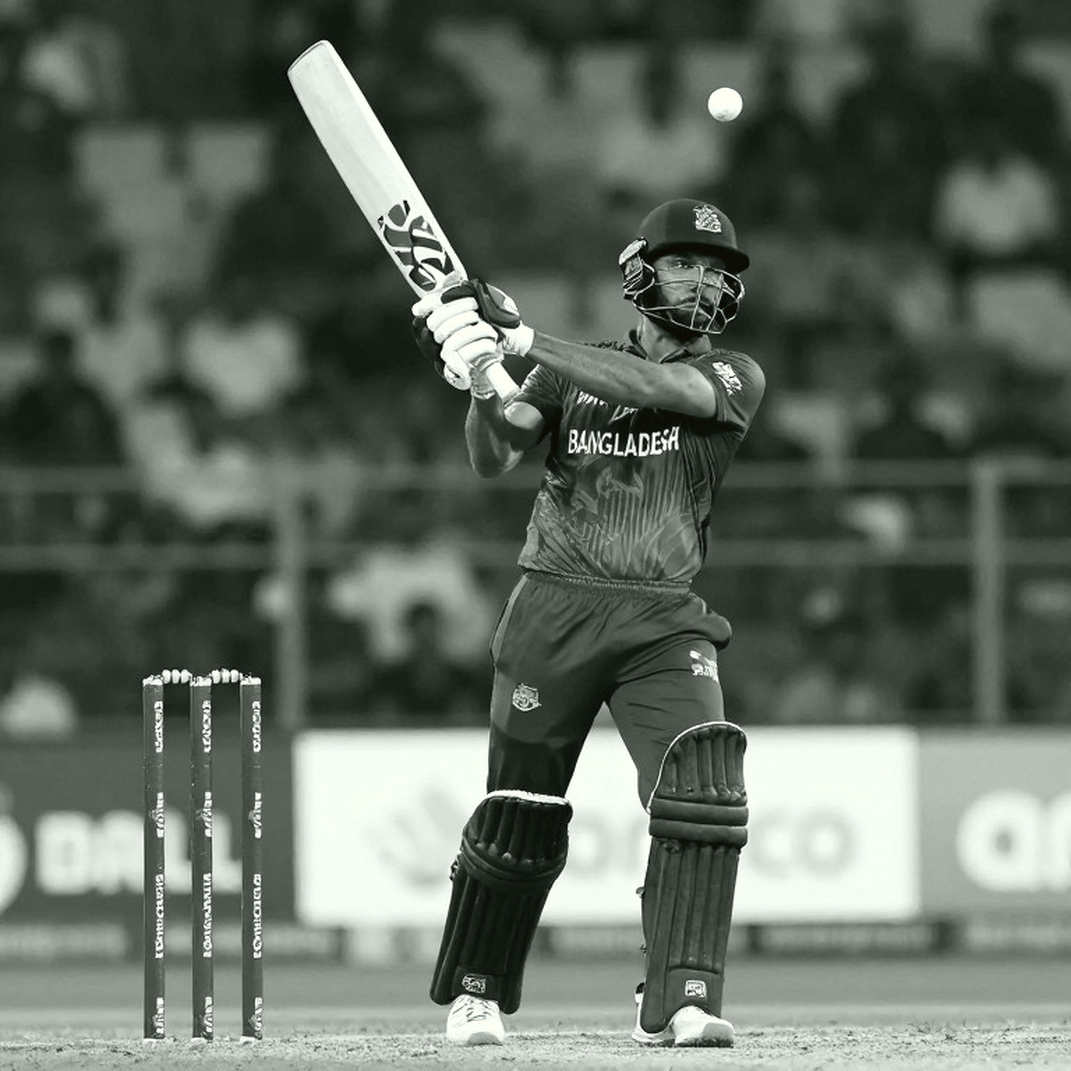
India is today the sport's largest economic power. The Board of Control for Cricket in India's budget and its grip on the broadcast market sit far ahead of any other national board. That is why Indian interests become the central reference point whenever the global cricket calendar is drawn up. The Pakistan Cricket Board has talent in abundance, but the instability of its domestic structure and its limited presence in the international calendar prevent it from fully converting that capacity. Sri Lanka held its cricket system together through an economic crisis, but resource constraints place constant pressure on its domestic structure. Bangladesh has long been caught between potential and achievement — it has a large audience base and a growing franchise economy, yet its performance at the decisive turns of major tournaments has been uneven. And Afghanistan is the story that has challenged the established order most sharply.
This inequality is not only of resources but of audiences. The commercial success of any Asian tournament depends on who is playing in it, which is precisely why the politics of calendar-setting becomes so sensitive.
India-Pakistan: A Structural Standoff
Asian cricket's greatest inheritance and its greatest deficiency both attach to a single issue — the suspension of bilateral series between India and Pakistan. Political tension between the two countries has kept bilateral cricket shut for years, and their contests have been confined to multilateral events such as the Asia Cup or ICC global tournaments. The effect is felt not only by spectators but in the valuation of broadcast rights: the most expensive component of any multilateral tournament is the fixture that may or may not take place.
This standoff creates an odd situation for players as well. An entire generation has gone through its career without playing a single bilateral match at home against its biggest rival. That is unusual in cricket's history, and its psychological and competitive effects will be visible for a long time.
The Role of the Asia Cup
Amid this standoff, the Asia Cup emerges as a rare stage on which all the region's major teams come together. The tournament has alternated between the one-day and T20 formats from time to time, and hosting has repeatedly thrown up political complications. Some editions required arrangements in which one team played its matches in a neutral country. Those solutions are pragmatic, but they also demonstrate how difficult it is to separate regional cricket administration from politics.
The Expansion of the Franchise Economy
Over the past fifteen years, the real revolution in Asian cricket has happened not on the field but in its leagues. The Indian Premier League has become the world's most valuable cricket league and forged a commercial model that other countries copied. The Pakistan Super League, the Bangladesh Premier League and the Lanka Premier League gave domestic talent a platform and carved out new space in the broadcast market. The International League T20, played in the United Arab Emirates, showed that franchise cricket is no longer bound by geography — it can flourish even where there is no large domestic audience, provided capital and players are available.
One aspect of this expansion is that Asian cricket now runs on two parallel economies. On one side are national teams and ICC events, whose revenue comes largely from broadcast rights; on the other are franchise leagues, built on private capital, auctions and advertising. The two systems compete with each other for players and calendar space, and that competition is the single biggest administrative challenge of the coming years.
Player Mobility and the No Objection Certificate
A player's permission to appear in an overseas league depends on a No Objection Certificate issued by his national board. This seemingly technical document is in fact the boards' strongest instrument of control. When a board believes that playing in a league will harm national-team preparation or a player's workload, it can withhold permission. That has produced periodic friction, especially when a league contract is large for the player and the national schedule falls at the same time.
One inequality in this whole arrangement is the wide gap between the financial position of players in the biggest leagues and those in smaller ones. That creates a new kind of stratification inside national teams as well, with possible effects on both team spirit and selection policy.

The Talent Pipeline and Afghanistan's Rise
If there is one story from this region that is genuinely inspiring, it is Afghanistan. A generation raised amid war and displacement learned the game in refugee camps and, within a few years, travelled all the way to Full Membership. Players such as Rashid Khan are now counted among the world's most influential T20 bowlers, and that success is not merely the product of individual talent — behind it lies a structure that found a way to develop ability even with limited resources.
India's talent pipeline runs on an entirely different logic. Domestic first-class cricket, the Under-19 structure and now the trial systems of franchise leagues together form so wide a sieve that dozens of players become ready for international level every year. Sri Lanka and Bangladesh are not short of talent either, but their challenge is to convert it consistently into international success rather than to discover it.
Women's Cricket: The Fastest-Growing Segment
The fastest-growing segment of Asian cricket is the women's game. The Women's Asia Cup and domestic women's leagues have given players a platform that did not previously exist. The launch of the Women's Premier League in India has opened a path to a professional career for domestic women players, and the effect is visible directly in the depth of the selection pool. Other Asian countries have taken steps in the same direction, though investment and audience bases there are still at an early stage.
This change is not only about the sport. When women players in a region gain broadcast time, contracts and audiences, it transforms the entire ecosystem — down to coaching, scouting, fitness support and investment at junior level.
Governance, Revenue and ICC Politics
Asia's weight in the governance of international cricket has grown steadily, but that weight is not united. The changes made to the ICC's financial structure in 2026 gave the three largest boards a larger share of revenue distribution, and later years brought partial revisions to that arrangement. The fundamental question in the whole debate is the basis on which income should be shared — historical contribution, market contribution, or the needs of developing members. There is no single view within Asia either, because the bigger boards benefit from the status quo and the smaller ones from change.
Beyond that, several policy issues recur in the headlines — fines for slow over rates, changes to rules around the new ball and the powerplay, and regulations on player eligibility and board switches. Each of these decisions looks small, but over time it alters the nature of the game.
Calendar, Workload and Injury Risk
Asian cricket's most immediate problem is the calendar. National team tours, ICC events and franchise leagues together create a year-round cycle in which a player has very little room to rest. Fast bowlers are hit hardest, because their workload management is the most difficult. Several boards now follow rotation policies, but every time they do, the question arises as to whether the best team was not fielded in a particular series.
The solution to this problem is not technical but political. Until national boards, league organisers and the ICC settle on a clear set of priorities for the calendar, it is the players who will keep carrying the burden.
The Age of Data and Scouting
The way Asian teams prepare has also changed in recent years. Video analysis, ball-tracking and workload monitoring are now part of the selection process. The larger boards have access to these resources; the smaller ones have limited access. That creates a new inequality — the difference in talent is small, but the difference in the tools to develop it is large.
The Road Ahead
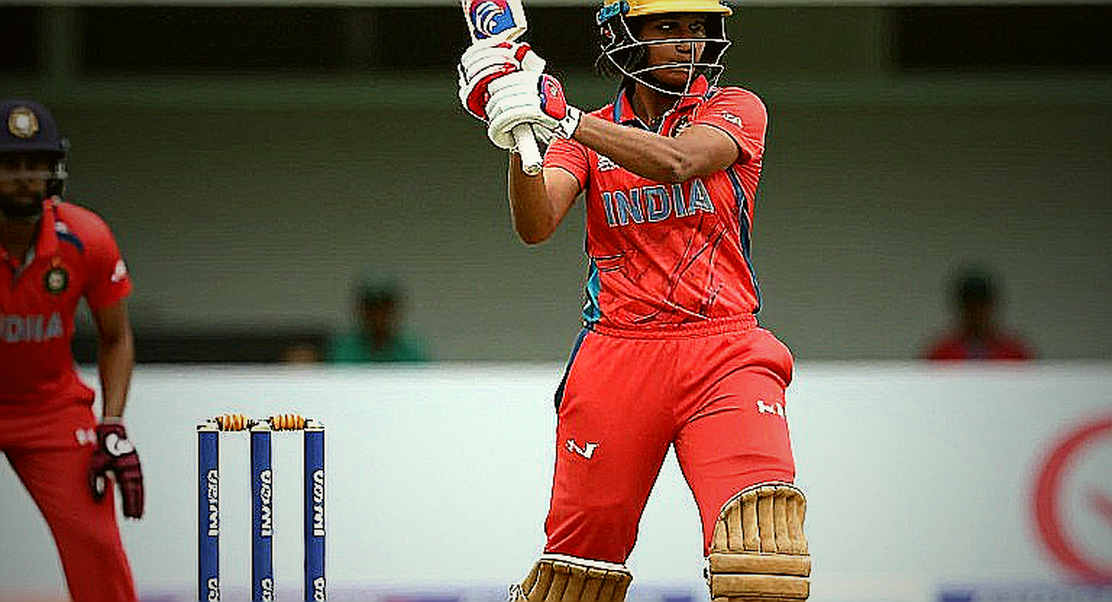
Asian cricket's future rests on the answers to three questions. First, will the region's teams be able to play each other regularly, or will political deadlock keep them confined to multilateral platforms? Second, will the expansion of franchise leagues strengthen the domestic structure or drain it? Third, will the revenue-distribution framework provide smaller members with enough resources to become competitive?
None of these answers will come from the field alone. Asian cricket stands at a point where the balance between the quality of the sport and its market value depends on the decisions of boards. Players such as Virat Kohli, Rohit Sharma, Babar Azam, Shaheen Afridi, Rashid Khan, Shakib Al Hasan and Wanindu Hasaranga have made this region the centre of world cricket — the question now is whether the generation that follows them will get the same stage.